Real Estate naturally thrives by connecting properties to breathtaking landscapes, offering enhanced values and appeal. Mountain views in iconic ranges increase US property prices by 15-20%. Desert escapes, with dramatic scenery and strategic locations, gain popularity. Developers should emphasize natural beauty, outdoor recreation, and day-night view changes for mountain listings. In arid regions, water-efficient design and native vegetation harmonize buildings with nature. Integrating natural light, ventilation, and materials improves indoor spaces while catering to sustainable living preferences. Aligning real estate projects with ecological stewardship values fosters a harmonious balance between humans and nature, resonating with buyers.
The allure of panoramic mountain views and the desert’s unique charm is a growing trend in real estate preferences, captivating buyers and investors alike. This harmonious blend of nature’s beauty presents both an opportunity and a challenge for developers and agents. As urban landscapes expand into these once-remote areas, it is crucial to understand how to harness this natural asset while preserving the serenity that attracts buyers. This article delves into strategies for creating desirable properties, focusing on innovative design and sustainable practices, ensuring a harmonious balance between modern living and the breathtaking landscapes of mountains and deserts.
Unveiling the Allure: Mountain Views in Real Estate

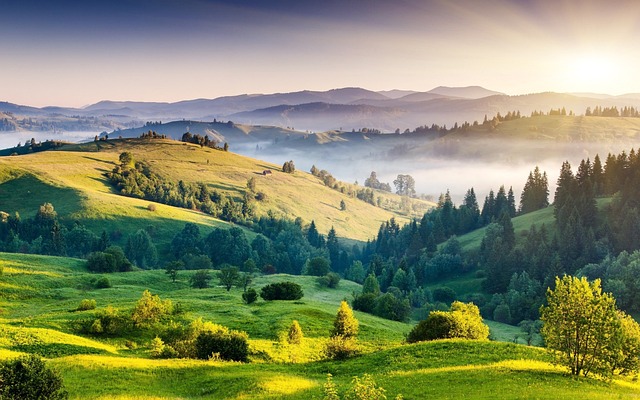
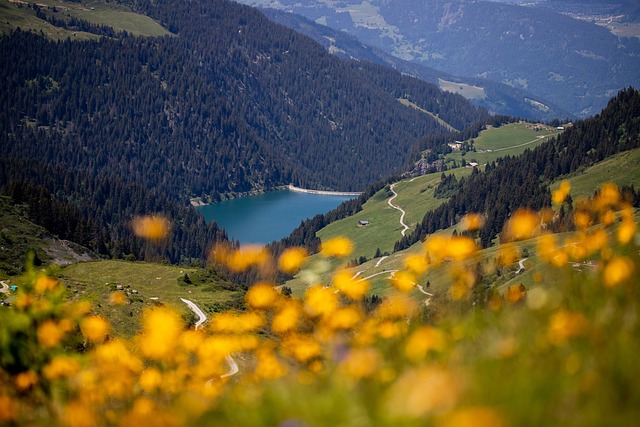
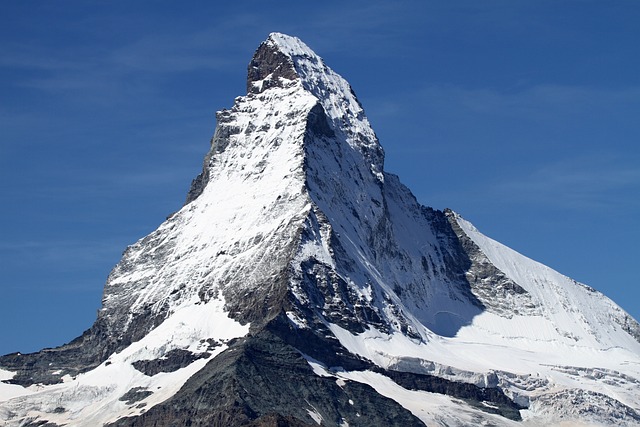
Panoramic mountain views have long been a sought-after feature in real estate, offering more than just aesthetic appeal—they significantly enhance property values and attract discerning buyers. In markets worldwide, residences with majestic mountain vistas command premium prices, underscoring their allure. Experts attribute this to several factors: the calming effect of nature, increased privacy, and the sense of connection to a grander landscape that such views provide. For instance, in the United States, homes boasting views of the Rocky Mountains or the Sierra Nevadas often sell for 15-20% more than comparable properties without these vistas.
Integrating mountain views into real estate strategies requires thoughtful planning and location intelligence. Developers and agents must consider the topography, surrounding infrastructure, and accessibility to create truly remarkable listings. For example, in areas like Aspen or Vail, where mountains are a central part of the community identity, developers have successfully built luxury resorts and residences that capitalize on breathtaking vistas. Similarly, in Japan, traditional ryokans (inns) strategically positioned to offer panoramic views of Mount Fuji attract both domestic and international tourists.
To maximize the appeal of mountain view properties, real estate professionals should emphasize not just the visual impact but also the lifestyle benefits. This includes highlighting outdoor recreational opportunities, such as hiking trails or ski resorts nearby, which cater to active buyers. Additionally, showcasing how the views change throughout the day—from sunrise over the peaks to starlit nights—can create a sense of wonder and tranquility. By combining marketing strategies that highlight both the natural beauty and the lifestyle advantages, agents can unlock significant market potential for mountain view properties.
Desert Escapes: Charm and Market Trends
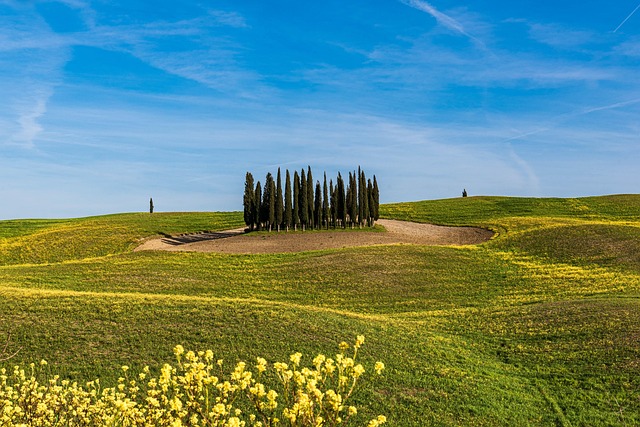
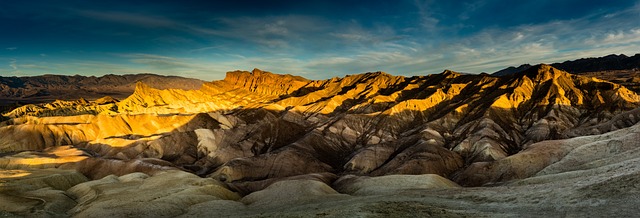
Desert escapes have long captivated those seeking a unique blend of tranquility and awe-inspiring beauty. The market for real estate in these scenic locations has seen a significant surge in recent years, with buyers drawn to the tranquil charm and breathtaking panoramic views that only desert landscapes can offer. This trend transcends mere aesthetics; it represents a profound shift towards a more connected relationship with nature, offering residents an opportunity to escape the hustle and bustle of urban life.
The allure of desert properties is multifaceted. Firstly, the natural beauty of these regions, characterized by vast expanses of sand, towering peaks, and unique geological formations, provides a sense of grandeur that few other environments can match. Moreover, many desert areas boast robust real estate markets due to their strategic locations, close proximity to urban centers, and growing infrastructure. For instance, according to recent data, the desert regions surrounding major metropolitan areas like Phoenix and Las Vegas have witnessed year-over-year increases in property values, making them attractive investments for both residents and out-of-state buyers.
To capitalize on this trend, real estate professionals must adapt their strategies to meet the unique needs of potential purchasers. Offering comprehensive tours that highlight not just the physical attributes but also the serene ambiance of the desert is essential. Additionally, providing insights into local attractions, such as stargazing spots or eco-tourism opportunities, can enhance the appeal for buyers seeking a lifestyle change. By understanding and embracing these market trends, real estate agents can facilitate connections between properties and prospective owners, fostering a deeper appreciation for the distinctive charm that desert escapes offer.
Integrating Nature: Design Strategies for Real Estate Success
Integrating Nature: Design Strategies for Real Estate Success
In the competitive real estate market, standing out requires more than just appealing architecture or luxurious amenities. Today’s discerning buyers seek experiences that connect them with the natural world. Panoramic mountain views and desert charm exemplify this trend, offering properties an innate allure that transcends fleeting design fads. To capitalize on this shift, developers and designers must embrace nature not merely as a backdrop but as an integral component of their projects. Real Estate naturally thrives when it harmonizes with its environment, fostering a sense of place and enhancing the well-being of residents.
Strategic integration begins with thoughtful site selection, considering both the physical features of the land and the surrounding ecosystem. For instance, building platforms that capitalize on existing topography can provide breathtaking views without disturbing delicate landscapes. Similarly, using native vegetation in landscaping not only reduces maintenance costs but also attracts local wildlife, creating a thriving biodiversity. In arid regions, water-efficient design strategies—such as rainwater harvesting systems and drought-resistant plants—not only conserve resources but also position properties as environmentally responsible investments.
Natural light and ventilation are other key elements that can elevate the interior experience while reducing energy consumption. Large windows and skylights maximize daylight, minimizing the need for artificial lighting. Strategic placement of openings can also harness cross-breezes, providing passive cooling solutions that are both cost-effective and eco-friendly. Moreover, incorporating natural materials like wood and stone adds warmth and texture to indoor spaces, fostering a deeper connection with nature. According to recent studies, buildings that incorporate biophilic design elements have been shown to enhance occupant satisfaction and productivity, underscoring the profound impact of integrating nature on both emotional and physiological levels.
Ultimately, successful real estate projects are those that resonate with buyers’ evolving preferences for sustainable living and authentic experiences. By prioritizing ecological stewardship and embracing the healing power of nature, developers can create spaces that not only captivate the senses but also enrich residents’ lives. Real Estate naturally prospers when it strikes a harmonious balance between human aspirations and the natural world.