The desert real estate market is experiencing a renaissance due to its natural beauty and serenity, driven by strategic urban development and growing demand for unique properties. Key selling points include panoramic mountain views, sustainable living environments, and eco-friendly practices. High-end residences with iconic vistas command premium prices, reflecting strong sales growth. Integration of desert aesthetics into real estate will gain prominence as urbanization progresses, attracting investors seeking a blend of modern conveniences and natural wonders. Sustainable development strategies leverage renewable energy, water conservation, and low-impact design for harmonious environments where people thrive while minimizing landscape impact.
In the realm of real estate, where landscapes and lifestyles intertwine, the allure of panoramic mountain views and desert charm captivates buyers and developers alike. These unique landscapes offer not just aesthetic appeal but also a connection to nature that enriches daily living. However, balancing the preservation of these natural wonders with urban development presents a significant challenge. This article delves into strategies that harmonize modern amenities with environmental stewardship, providing valuable insights for real estate professionals seeking sustainable solutions in breathtaking settings.
Unlocking Desert Beauty: Real Estate Potential

The desert, long perceived as a barren landscape, is undergoing a remarkable metamorphosis in the real estate realm. Panoramic mountain views coupled with the unique charm of desert landscapes are attracting buyers seeking both tranquility and investment opportunities. This shift can be attributed to a growing appreciation for the natural beauty and serenity that deserts offer, coupled with strategic urban development. For instance, cities like Las Vegas have seen significant growth in luxury real estate projects, capitalizing on their dramatic mountain backdrops and lush green oases within the desert.
Unlocking the potential of desert properties requires a nuanced understanding of local markets and buyer preferences. Real estate professionals must emphasize the distinct advantages that these locations offer—from breathtaking vistas to sustainable living environments. For example, properties with views of iconic desert formations or nearby mountain ranges can command premium prices. According to recent market reports, sales of high-end desert residences have increased by 15% year-on-year in certain regions, highlighting the strong demand for these unique offerings. Developers who integrate eco-friendly practices and innovative design elements tailored to the arid climate can further enhance the appeal and long-term value of their projects.
In addition to scenic beauty, deserts provide opportunities for experiential living. Many buyers are drawn to the idea of a quieter, more connected lifestyle amidst natural surroundings. Real estate agents should highlight amenities like outdoor living spaces, infinity pools overlooking desert landscapes, and private access to hiking trails. By catering to this niche market, developers can create desirable communities that foster a deep connection with the environment. As urbanization continues to shape the global landscape, the integration of desert aesthetics into real estate will likely become an increasingly significant trend, offering investors and residents alike a unique blend of modern conveniences and natural wonders.
Panoramic Views: Design and Architecture

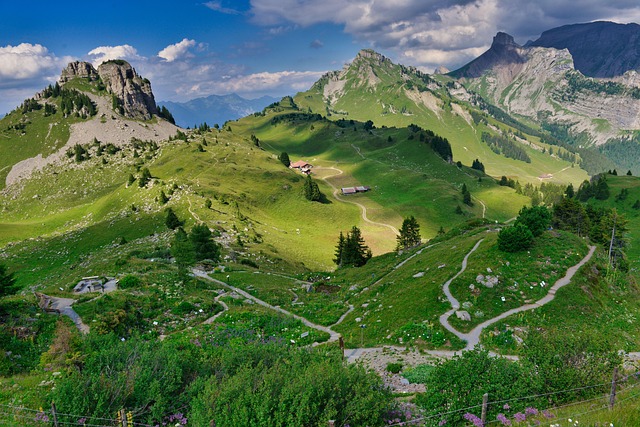
Panoramic mountain views have long been a sought-after feature in real estate, offering residents a unique connection to nature and a sense of tranquility. When designing or architecting properties with this goal in mind, the focus shifts from conventional aesthetics to creating spaces that encompass and celebrate the breathtaking surroundings. This involves strategic site planning, innovative design choices, and a deep understanding of how buildings can integrate seamlessly into their natural settings.
To maximize panoramic views, architects often employ open floor plans, eliminating unnecessary interior walls that might obstruct the line of sight. Large windows and glass walls become integral design elements, serving as frames for the stunning landscapes outside. For instance, contemporary mountain retreats may feature expansive decks or terraces, allowing residents to immerse themselves in the natural environment while enjoying comfortable indoor-outdoor living. In desert regions, where the vast expanse of sand and sky is a defining characteristic, architects can utilize similar strategies, incorporating large windows to let in the bright sunlight and open spaces that facilitate breezes, creating a harmonious blend of modern comfort and natural charm.
Practical considerations are equally important. Proper orientation ensures that buildings capture the best light and views at different times of day, while careful landscaping enhances these effects. In high-altitude regions, designers must account for extreme weather conditions and potential challenges in construction, using materials and techniques suited to such environments. Ultimately, successful integration of panoramic views in real estate involves a delicate balance between enhancing the natural beauty and providing comfortable, functional living spaces that cater to modern lifestyles.
Sustainable Living: Mountain-Desert Integration

The harmonious integration of mountain and desert landscapes offers a unique opportunity for sustainable living, where real estate naturally blends with the environment. This concept transcends mere aesthetics; it presents a viable path towards eco-friendly communities that thrive in these diverse ecosystems. One key aspect is the efficient use of resources. Mountains provide an abundance of renewable energy potential through wind and solar power, while deserts offer vast areas for solar panels without the environmental impact often associated with mountain regions. Integrating these technologies into residential developments can significantly reduce carbon footprints and create sustainable energy solutions.
Water conservation is another critical element in desert-mountain living. Mountains offer access to pristine watersheds, which, when managed responsibly, can supply water to nearby communities. Desert-adapted landscaping practices, such as using native plants and efficient irrigation systems, can further enhance water conservation efforts. Real estate developers can embrace these principles by designing low-impact homes with greywater recycling systems and rainwater harvesting capabilities, ensuring a balanced approach to resource utilization.
Community engagement and education play a vital role in sustaining these environments. Local residents and real estate professionals should collaborate on initiatives that promote ecological awareness. This includes implementing sustainable building practices, organizing community clean-up events, and fostering local ecosystems preservation. By embracing the unique challenges and opportunities presented by mountain-desert regions, we can create harmonious environments where people thrive while minimizing their impact on these precious landscapes.