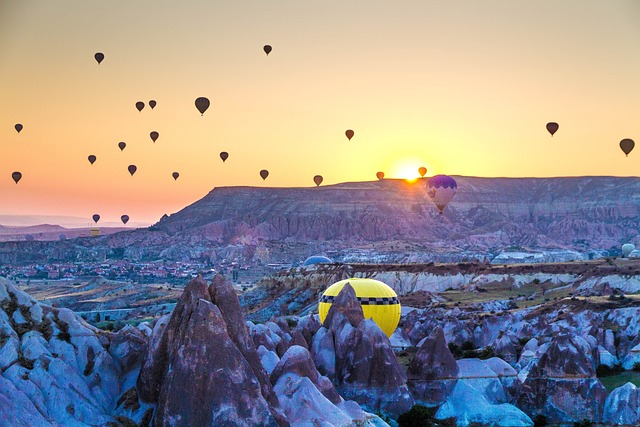
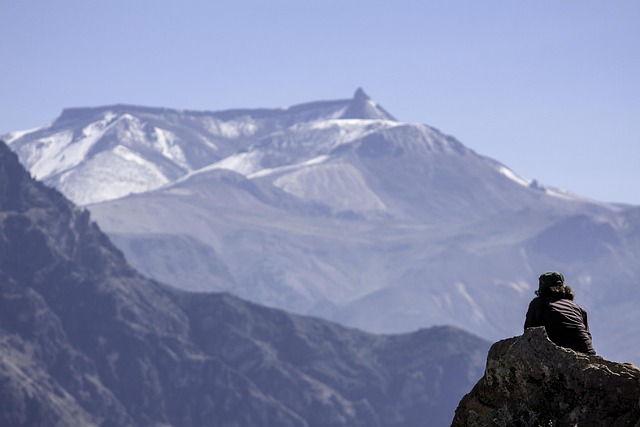
Real Estate naturally catering to mountain and desert landscapes appeals to urbanites seeking tranquility and natural beauty. This niche offers expansive outdoor spaces, open-concept designs, and premium prices due to scarcity and amenities. Experts advise researching climate patterns and unique maintenance needs. Key design strategies include maximizing natural light, multi-level layouts, and native landscaping. Demographic shifts and environmental factors drive global demand for panoramic mountain views and desert charm, attracting buyers from urban centers. Real estate professionals can capitalize by understanding local dynamics, engaging digitally, targeting outdoor enthusiasts, and promoting sustainable communities.
In today’s dynamic market, real estate professionals are increasingly seeking unique selling points to stand out. The fusion of panoramic mountain views and desert charm offers a compelling narrative for both buyers and investors, creating a niche yet desirable segment within the industry. This article delves into how developers and agents can capitalize on this harmonious blend, attracting folks seeking not just a home but an experience. By understanding the allure of these landscapes and strategically integrating them into marketing strategies, real estate professionals can unlock new opportunities and provide genuine value to those seeking exceptional properties.
Discovering the Allure: Mountain and Desert Real Estate

The allure of panoramic mountain views and desert charm has long captivated real estate enthusiasts, offering a unique blend of tranquility and breathtaking landscapes. This distinct segment within the real estate market caters to those seeking not just a home but an experience that fuses raw natural beauty with modern comforts. In regions where majestic mountains meet arid deserts, properties boasting these features are in high demand, reflecting a growing trend among buyers looking for serene retreats or luxurious second homes.
Discovering the allure of mountain and desert real estate involves understanding the diverse preferences it caters to. For nature lovers, the serenity of towering peaks and vast expanses of sand provides an escape from urban life. Real estate in these areas often features expansive terraces, large windows, and open-concept living spaces designed to maximize natural light and outdoor vistas. In regions like the Southwest United States or parts of Europe, such properties can command premium prices due to their scarcity and sought-after amenities. For instance, ski-in/ski-out access in mountain resorts or private desert retreats with stargazing platforms can significantly enhance a property’s value and appeal.
Experts suggest that buyers looking into this niche should consider factors beyond the obvious beauty. Local real estate agents emphasize the importance of understanding climate patterns, accessibility during certain seasons, and potential maintenance requirements unique to these environments. Desert properties, for example, may necessitate specialized care to protect against extreme heat and cold while mountain retreats might require snow removal and heating systems tailored to high-altitude living. By thoroughly researching these aspects, prospective buyers can make informed decisions, ensuring their future homes not only offer breathtaking panoramas but also provide comfort, convenience, and long-term value in the real estate market.
Integrating Nature: Design Strategies for Panoramic Living
Integrating Nature: Design Strategies for Panoramic Living
The allure of panoramic mountain views and desert charm is undeniable, offering a unique blend of tranquility and breathtaking aesthetics. As real estate naturally embraces these natural wonders, designers and architects face the challenge of creating spaces that not only capture the beauty but also enhance the connection with the outdoors. This integration goes beyond mere aesthetics; it involves strategic planning to ensure comfort, functionality, and an immersive experience for residents. By understanding the local climate, topography, and available landscapes, design interventions can transform ordinary dwellings into havens that embrace the natural environment.
Key strategies include incorporating large windows and glass walls to maximize natural light and facilitate views, thereby blurring the lines between indoor and outdoor spaces. For mountainous regions, designing homes with multiple levels allows residents to take advantage of varying vistas at different elevations. In desert settings, strategic landscaping and the use of native plants can create low-maintenance outdoor areas that thrive in arid conditions. Additionally, incorporating natural ventilation systems and sustainable design elements not only reduces environmental impact but also enhances indoor air quality.
Case studies from around the globe demonstrate successful implementations. For instance, in the Swiss Alps, modern mountain retreats often feature floor-to-ceiling windows showcasing dramatic peaks, while native vegetation surrounds the structures, seamlessly integrating them into the landscape. Similarly, desert villas in the Middle East incorporate reflective materials and strategic shade structures to mitigate intense heat, allowing for outdoor living year-round. These examples underscore the importance of context-specific design approaches that respect and enhance natural features, ultimately elevating the real estate experience for occupants.
Market Insights: Trends Shaping Unique Real Estate Offers
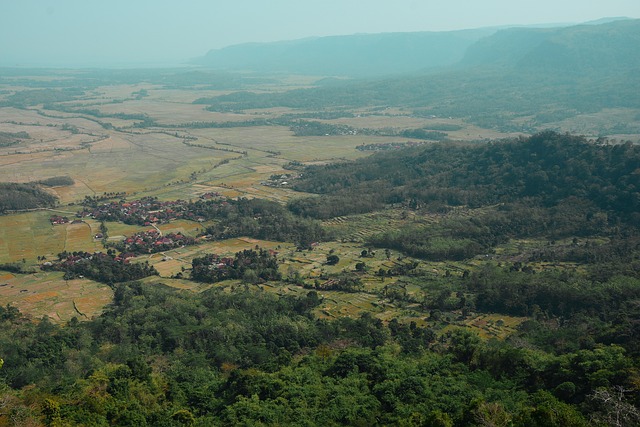
The real estate market is continually evolving, driven by a confluence of demographic shifts, economic trends, and environmental considerations. One notable trend emerging from these dynamics is the growing appetite for properties offering panoramic mountain views and desert charm—unique features that blend natural beauty with contemporary living. This preference is not merely aesthetic; it reflects a deeper desire for connection to nature, relaxation, and tranquility in an era of rapid urbanization.
Market insights suggest that properties boasting such scenic vistas and geographical settings command premium prices. For instance, luxury real estate listings in mountain retreats and desert oases have seen significant upticks, with buyers willing to pay a substantial premium for the serene environments these locations offer. According to recent data from the National Association of Realtors, homes with panoramic views sold at an average of 12% above market value compared to similar properties without such features. This trend is not limited to specific regions; it’s observed globally, with buyers from urban centers seeking out second homes or primary residences that provide a respite from bustling city life.
Real estate professionals play a pivotal role in capitalizing on this trend by understanding and catering to these buyer preferences. They should stay abreast of local market dynamics, environmental attractions, and emerging lifestyle trends to offer unique properties that appeal to this niche audience. Actionable advice for agents includes leveraging digital marketing strategies to showcase panoramic views and desert landscapes effectively; engaging with potential buyers who express an interest in outdoor activities and nature retreats; and fostering partnerships with developers and builders who can create sustainable and aesthetically pleasing communities in these scenic locations. By staying ahead of these trends, real estate experts can position themselves as leaders in the market and offer truly exceptional experiences to their clients.