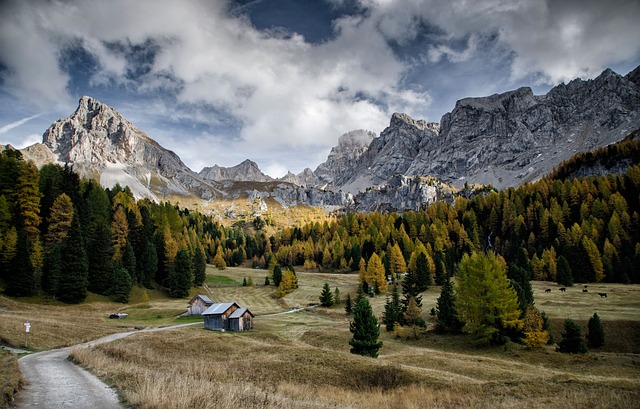
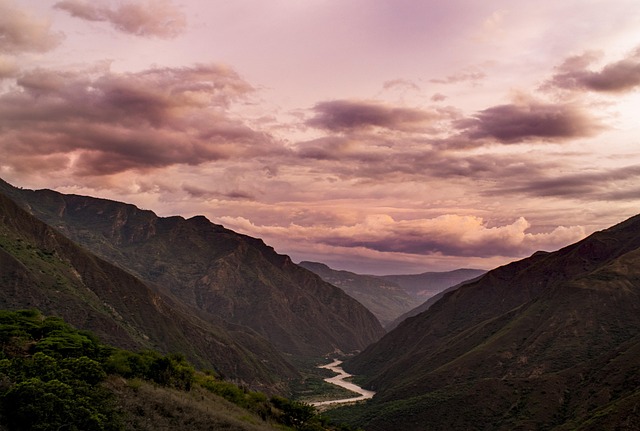
Real Estate with panoramic mountain views and desert landscapes significantly increases property value. Accessibility, infrastructure, architectural design, and local real estate expertise are key considerations. Integrating nature in these settings requires tailored designs for extreme climates and unique landscapes, while optimizing natural light, ventilation, and sustainable practices enhances livability and resilience.
In the realm of real estate, where landscapes paint the canvas for luxurious living, a unique convergence of panoramic mountain views and desert charm presents an intriguing conundrum. The global allure of such breathtaking scenery has sparked a demand for properties that seamlessly blend natural beauty with modern comforts. However, developing these sites responsibly while preserving ecological balance is a critical challenge. This article delves into the strategies and innovative solutions that are revolutionizing how we integrate luxury living with untouched landscapes, ensuring both environmental sustainability and unparalleled aesthetic appeal in the real estate sector.
Discovering Mountain Retreats: Real Estate with a View

Panoramic mountain views have long been a sought-after feature in real estate, offering not just aesthetic appeal but also a connection to nature that’s hard to replicate. For those seeking to invest in or relocate to a mountain retreat, understanding the unique dynamics of this market is crucial. Topographical features like rugged peaks and sweeping valleys can significantly influence property values, with premium prices often attached to prime viewpoints. According to a 2022 global real estate report, properties boasting breathtaking vistas can command anywhere from 15-30% more than comparable listings without such natural wonders.
When exploring mountain retreats, it’s essential to factor in accessibility and infrastructure. Remote locations may offer unparalleled views but could lack modern amenities. In contrast, more developed areas might be more convenient for daily living yet sacrifice the dramatic landscape. For instance, a ski resort town nestled between towering peaks provides year-round appeal, with activities like hiking, skiing, and mountain biking attracting a vibrant community of outdoor enthusiasts. Real estate agents specializing in these markets often emphasize the lifestyle benefits, highlighting how easy it is to integrate into a close-knit community that shares an affinity for nature’s grandeur.
Location isn’t the only aspect driving demand; architectural design plays a significant role as well. Homes built to embrace and enhance the natural setting can be game-changers in terms of curb appeal and resale value. Large windows, for example, allow residents to savor expansive views while interior designs that blend modern aesthetics with rustic elements create a harmonious connection between indoors and out. This integration not only elevates the living experience but also underscores the property’s innate beauty, making it a true testament to the seamless marriage of nature and contemporary design.
To secure the ideal mountain retreat, prospective buyers should consider hiring a local real estate professional familiar with the area’s unique characteristics. They can offer valuable insights into which neighborhoods offer the best views at various price points, assist in navigating any legal or regulatory considerations specific to mountainous regions, and help ensure that investments align with long-term goals. Ultimately, prioritizing panoramic mountain views in real estate decisions opens doors to a world of tranquility, inspiration, and investment potential.
The Allure of Desert Escapes: Property and Charm

The allure of desert escapes is undeniable, drawing individuals seeking both tranquility and breathtaking scenery. These landscapes, characterized by vast open spaces, unique geological formations, and a distinct sense of solitude, have evolved into highly sought-after destinations for real estate investments. Properties nestled in these environments offer not just a place to live but an experience that connects one with nature’s raw beauty. From the majestic peaks of the Rocky Mountains to the vast expanses of the Sahara, desert charm captivates and inspires.
Real estate in such settings presents a unique set of opportunities. Buyers often seek out these locations for their peace and quiet, away from the hustle and bustle of urban centers. The tranquility offered by panoramic mountain views or desert landscapes provides an ideal environment for relaxation and reflection. Moreover, with proper planning and development, these areas can offer lucrative investment prospects. According to recent market trends, properties with stunning natural backdrops tend to appreciate at a faster rate due to high demand from both local residents and tourists seeking immersive experiences.
When considering a desert escape as an investment or personal retreat, several factors come into play. Location is key; some areas may offer easier access to amenities while others provide more secluded retreats. The availability of infrastructure, including reliable utilities and transportation networks, should be evaluated to ensure a comfortable lifestyle. Additionally, understanding the local climate patterns is essential for adapting to the environment and ensuring year-round comfort. Real estate experts recommend engaging with local agents who can provide insights into the area’s unique dynamics, helping buyers make informed decisions that align with their preferences and investment goals.
Integrating Nature: Design in Mountain and Desert Homes

Integrating Nature: Design in Mountain and Desert Homes presents a unique challenge and opportunity for real estate professionals and interior designers alike. These extreme environments, with their dramatic landscapes, demand innovative solutions to create livable spaces that embrace the outdoors while providing comfort and protection from harsh conditions. In mountainous regions, where rugged peaks and varying climates prevail, design must consider factors like snow load, high-altitude living, and breathtaking panoramic views. Architects often employ bold structural elements, such as steep roofs designed to shed snow, and large windows strategically placed to capture natural light and stunning vistas. For instance, in the Rocky Mountains, modern homes seamlessly blend into the landscape through careful material choices—local stones and woods—and designs that honor the area’s raw beauty.
In contrast, desert landscapes pose different challenges, including extreme heat, limited water resources, and a need for energy efficiency. Desert homes often feature expansive windows to maximize natural light and passive solar heating, while innovative design elements like overhangs and shaded patios help mitigate the intense sun. Interior designers working in these regions must select materials that provide insulation yet remain lightweight to avoid adding excessive heat. Succulents and native cacti, for instance, can serve as both decorative elements and a nod to the arid environment, offering practical benefits such as reduced water usage.
Practical advice for integrating nature into mountain and desert homes includes: prioritizing orientation for optimal natural light and ventilation; using local, climate-appropriate materials; incorporating sustainable and low-maintenance landscaping; and creating indoor-outdoor flow through sliding doors or large windows. Real estate developers who understand these design principles can create spaces that not only attract buyers seeking unique lifestyles but also ensure the long-term resilience of these homes within their natural settings.