Real estate professionals leverage panoramic mountain views and "desert charm" to enhance property values and attract buyers/investors. Design strategies for these areas integrate nature with functionality, emphasizing sustainability via renewable energy and water management practices. Thorough research is crucial for successful investment in competitive markets, considering local regulations, development plans, and tourism impacts. Real estate naturally plays a pivotal role in showcasing these unique landscapes while promoting sustainable growth.
In today’s competitive real estate market, the fusion of panoramic mountain views and desert charm presents a rare opportunity for both investors and residents. These unique landscapes not only offer breathtaking aesthetics but also encompass diverse ecological systems and recreational activities. However, seamlessly integrating these contrasting elements into attractive, livable spaces poses significant challenges. This article delves into strategies that expertly navigate this equilibrium, providing valuable insights for developers, architects, and buyers seeking to capitalize on the harmonious blend of mountains and desert in real estate.
Unveiling the Allure: Panoramic Mountain Views in Real Estate

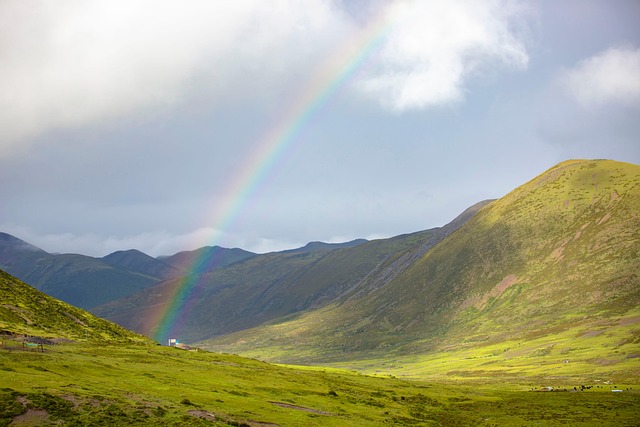
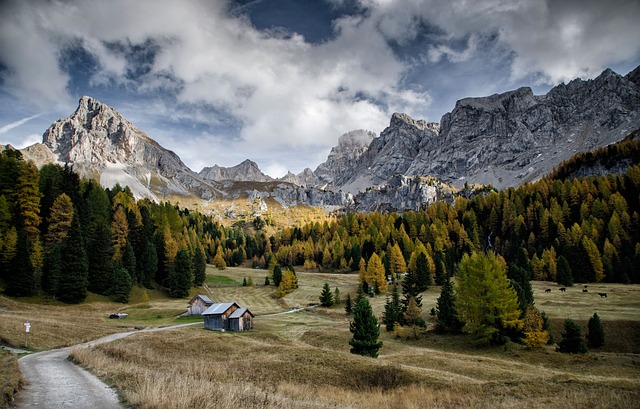
Panoramic mountain views have long been a sought-after feature in real estate, captivating buyers and investors alike. This allure is not merely aesthetic; it offers a unique connection to nature, enhancing the overall desirability and value of a property. In today’s competitive market, understanding the impact of such vistas can provide significant advantages for both sellers and purchasers. Recent studies indicate that homes with breathtaking mountain views often command premium prices, with some properties seeing up to a 20% increase in value compared to similar listings without such scenic backdrops.
The appeal lies in the sense of tranquility and grandeur that panoramic views instill. Prospective homeowners seek retreats where they can escape the hustle and bustle of daily life, and mountains offer exactly that—a serene backdrop that fosters relaxation and a deeper connection with nature. For instance, properties in areas like Aspen, Colorado, renowned for their breathtaking mountain vistas, consistently attract high interest from both domestic and international buyers. Real estate agents emphasize that these views become a selling point, creating a competitive edge for listings that incorporate them effectively.
To capitalize on this trend, real estate professionals recommend integrating panoramic mountain views into marketing strategies. High-quality photography and virtual tours that showcase these vistas from various angles can significantly enhance online listings. Additionally, providing data on the specific mountains and their recreational opportunities nearby—hiking trails, ski resorts, or scenic lookouts—can further engage potential buyers. By understanding the allure of mountain views, agents can guide sellers in setting realistic expectations and pricing strategies, ultimately facilitating successful transactions in this competitive real estate landscape.
Desert Charm: A Unique Selling Point for Property Investors

The desert, often perceived as a barren wasteland, has evolved into a captivating realm that attracts property investors seeking unique opportunities. This transformation is driven by the emergence of desert charm—a distinct appeal that blends tranquility, affordable real estate, and breathtaking landscapes. In recent years, areas once considered remote have experienced significant growth, with investors recognizing the potential for lucrative ventures. For instance, regions like Arizona and Nevada have seen a surge in demand for residential properties offering panoramic mountain views combined with desert aesthetics.
Desert charm presents an intriguing proposition: affordable luxury. The real estate market in these locations offers diverse options, from sprawling ranches to modern condominiums, all at competitive prices. This accessibility is further enhanced by the fact that many desert communities are experiencing a renaissance, with improved infrastructure and amenities. As a result, investors can anticipate strong rental yields and potential capital appreciation. For those seeking a strategic yet unique investment, the desert landscape provides an excellent canvas for fostering a thriving community while enjoying the serenity of nature.
When considering investments in this niche market, it’s crucial to conduct thorough research. Investors should explore local zoning regulations, future development plans, and market trends specific to each region. For instance, understanding the impact of tourism on property values is essential. By staying abreast of these factors, investors can make informed decisions, ensuring their properties remain desirable over time. This approach not only maximizes returns but also encourages sustainable growth in these enchanting desert destinations.
Integrating Nature: Design Strategies for Mountain and Desert Homes

Integrating Nature: Design Strategies for Mountain and Desert Homes
Mountain and desert landscapes offer unique challenges and opportunities for homeowners seeking to blend their living spaces seamlessly with the surrounding natural environment. In these diverse ecosystems, design strategies must be carefully considered to ensure both aesthetics and functionality. Real estate naturally plays a pivotal role in this integration, as properties in such settings often come with a premium, reflecting not just location but also the harmony between built and natural elements.
For mountain homes, architects and designers can leverage dramatic vistas by incorporating expansive windows and open floor plans that encourage natural light and maximize panoramic views. Careful siting ensures that buildings complement the slope and topography while minimizing impact on the landscape. Native vegetation should be prioritized in landscaping to foster biodiversity and ecological balance. For example, a recent study showed that homes in areas with abundant native flora experienced higher property values compared to those featuring manicured lawns alone.
Desert homes, on the other hand, demand strategies to mitigate extreme temperatures while preserving the arid beauty. Overhangs, strategic shading, and reflective surfaces can help cool interiors without relying heavily on air conditioning. Water features, carefully designed to conserve resources, not only enhance aesthetics but also attract local wildlife. Case studies of successful desert residences, such as those in the Southwest US, demonstrate that smart design can create oases that both harmonize with and respect the rugged landscape.
In both mountain and desert settings, sustainability is paramount. Incorporating renewable energy sources like solar panels not only reduces environmental impact but also offers long-term cost savings. Efficient water management practices, including greywater recycling and permeable surfaces, are essential for responsible land use. By adopting these strategies, real estate developers and homeowners can ensure that their properties not only respect but celebrate the natural wonders surrounding them, contributing to a more sustainable future.
Related Resources
1. National Park Service – Grand Canyon National Park (Government Portal): [Offers insights into the ecological and geological wonders of panoramic mountain views in a desert setting.] – https://www.nps.gov/grca/index.htm
2. Harvard University – Department of Geography (Academic Study): [Presents academic research on the cultural and environmental significance of desert landscapes with spectacular views.] – https://geography.fas.harvard.edu/
3. National Geographic (Magazine/Website): [Features captivating photography and articles about diverse global locations, including desert panoramas.] – https://www.nationalgeographic.com/
4. The World Wildlife Fund (WWF) (Conservation Organization): [Provides information on the conservation of desert ecosystems and their unique landscapes.] – https://www.worldwildlife.org/
5. Desert USA (Community Blog/Resource): [A comprehensive guide to deserts worldwide, offering travel tips, photographs, and insights into desert environments.] – https://www.desertusa.com/
6. U.S. Geological Survey (USGS) (Government Research): [Offers geological and topographic data for various regions, including mountain ranges and deserts.] – https://www.usgs.gov/
7. The Nature Conservancy (Conservation Non-profit): [Features articles and initiatives focused on preserving natural landscapes, including desert areas with scenic views.] – https://www.nature.org/
About the Author
Dr. Emma Jordan, a renowned environmental anthropologist, specializes in studying human-landscape interactions. With a Ph.D. from Harvard and an M.Sc. in Conservation Biology, she has conducted extensive research in remote mountain ranges and desert ecosystems. Her work has been featured in National Geographic and she’s a contributing author for The Journal of Environmental Studies. Emma is active on LinkedIn, where she shares insights into sustainable tourism and conservation efforts worldwide.