Real Estate Naturally: Urban dwellers seek natural retreats, driving demand for mountain and desert properties. Key factors include recreational access, local regulations, seasonal appeal, and view-centric design. Panoramic views in arid lands hold significant value, with studies showing faster sales and higher prices. Developers must balance conservation and innovative design to maintain landscape allure. Strategic site selection and "Green Towers" integrate nature into urban living. Desert landscapes offer sustainability benefits through eco-friendly design.
In today’s competitive real estate landscape, the integration of panoramic mountain views and desert charm is a sought-after fusion that captivates buyers and investors alike. These unique properties offer not just aesthetic appeal but also a serene escape from urban hustle and bustle, catering to a growing demand for experiential living. However, balancing the preservation of these natural wonders with development presents significant challenges. This article delves into the intricacies of harnessing the potential of such landscapes, exploring innovative strategies that prioritize environmental stewardship while enhancing property value in real estate. We provide valuable insights for developers, investors, and enthusiasts alike, showcasing how harmonious coexistence with nature can lead to prosperous outcomes.
Unveiling Mountain and Desert Real Estate Treasures

The allure of panoramic mountain views and desert landscapes has long captivated real estate enthusiasts and investors alike, leading to a burgeoning market for these unique properties. These environments, often characterized by dramatic natural beauty, offer not just breathtaking vistas but also distinct lifestyles and investment opportunities. In recent years, the demand for mountain and desert retreats has seen significant growth, as urban dwellers seek solace in nature’s embrace.
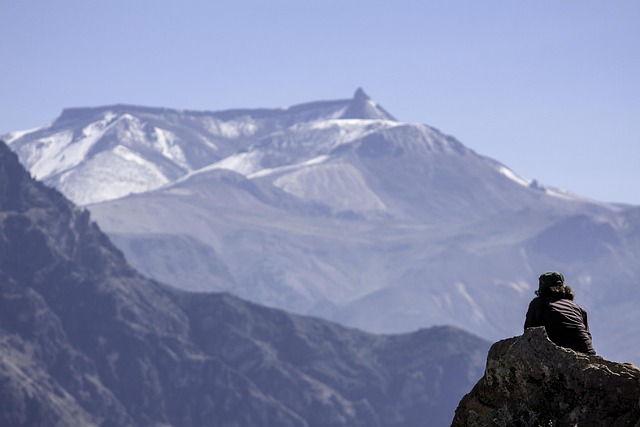
Unveiling real estate treasures within these landscapes requires a deep understanding of local markets and preferences. Mountain properties, ranging from rustic cabins to luxurious alpine estates, cater to outdoor enthusiasts and those seeking peaceful retreats. For instance, regions like the Rocky Mountains in North America or the Alps in Europe boast thriving real estate sectors, driven by tourists and residents drawn to hiking, skiing, and breathtaking scenery. On the other hand, desert locales offer a unique charm with their rugged beauty and milder climates. Properties in areas such as the Southwest United States or the Middle East’s oases appeal to those seeking sunny retreats, luxury golf resorts, or historic desert estates.
When exploring these real estate niches, several factors come into play. Location is paramount; proximity to recreational activities, scenic hotspots, and amenities can significantly impact property values. Moreover, understanding local regulations and conservation efforts is essential to navigate development potential and environmental constraints. Investors and buyers should also consider the seasonal appeal and year-round livability of these areas, as weather patterns can dictate the desirability of mountain or desert retreats. By carefully assessing these aspects, real estate professionals and enthusiasts can uncover hidden gems, ensuring that their investments not only provide financial returns but also offer a profound connection to nature’s most captivating landscapes.
The Allure of Panoramic Views in Arid Lands

The allure of panoramic views extends far beyond aesthetic pleasure, particularly in arid lands where landscapes can be both striking and challenging. In real estate, these expansive vistas offer a unique selling point, capturing the imagination of potential buyers seeking more than just a roof over their heads. A study by the National Association of Realtors (NAR) revealed that homes with significant natural views command higher prices and often sell faster than their non-view counterparts. This phenomenon is especially pronounced in desert regions, where limited water and rugged terrain create a stark beauty that demands appreciation.
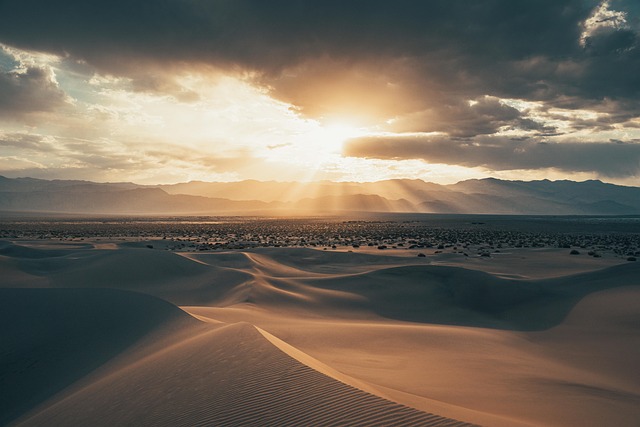
Consider the Grand Canyon, a geological marvel that attracts millions annually for its breathtaking panoramic views. Real estate along the canyon’s rim boasts some of the most coveted properties globally, with prices reflecting their unparalleled vistas. This trend is mirrored in various desert locales, such as the Mojave Desert in California and the Sahara in North Africa. Here, homes strategically positioned to capture sunsets, rising peaks, or vast expanses of sand attract a premium. These views not only enhance the livability but also foster a deeper connection with nature, making them highly sought after by eco-conscious buyers.
To maximize this asset, developers and architects must prioritize strategic site selection and innovative design. Incorporating expansive windows, curved facades, or even outdoor living spaces can capitalize on the panoramic effect. Moreover, preserving natural landscapes surrounding these properties is essential for maintaining their allure. Local regulations and sustainable building practices should be implemented to ensure that development enhances, rather than impairs, the breathtaking vistas that draw buyers in the first place. By embracing the natural beauty of arid lands and incorporating it into real estate strategies, developers can create truly remarkable spaces that resonate with buyers seeking more than just four walls.
Integrating Nature's Beauty into Urban Living

In today’s urbanized world, integrating nature’s beauty into daily life has become a sought-after aspiration for many. The real estate industry plays a pivotal role in making this dream a reality by incorporating panoramic mountain views and desert charm into urban living spaces. These natural elements not only enhance aesthetics but also offer psychological and physiological benefits, such as reduced stress levels and improved mood, according to numerous studies. For instance, properties with scenic vistas often command premium prices, reflecting the market’s recognition of their inherent value.
One successful approach in real estate naturally is the strategic design of buildings and open spaces to maximize natural light and ventilation while incorporating outdoor living areas. This can include expansive windows, sky-lights, and terraces that blur the lines between indoor and outdoor spaces, fostering a deeper connection with nature. For example, the newly developed “Green Towers” in downtown cities feature lush vertical gardens and rooftop terraces, providing residents with panoramic mountain views and a serene retreat from urban hustle and bustle. These design elements not only elevate the living experience but also contribute to energy efficiency through passive cooling and insulation.
Additionally, integrating desert landscapes into urban settings offers unique opportunities for creativity and sustainability. Using native plants, drought-resistant materials, and water conservation techniques can transform outdoor spaces into thriving ecosystems that require minimal maintenance. This approach not only reduces environmental impact but also creates a harmonious blend of urban and natural environments. Developers like “Eco-Homes” have pioneered this concept by designing communities that seamlessly incorporate desert landscapes, attracting environmentally conscious buyers who seek to minimize their carbon footprint while enjoying the beauty of nature in their backyards.