Panoramic mountain views significantly enhance real estate value and appeal due to their natural beauty and tranquility. Promoting lifestyle benefits and crafting emotional narratives around vistas can elevate property desirability. Desert markets showcase a trend of integrating modern amenities with sustainable design, prioritizing dramatic landscapes and recreational opportunities. Integrating nature into design through large windows, locally sourced materials, and outdoor vistas boosts property values and creates vibrant, environmentally responsible communities in real estate naturally. Engaging expert professionals is crucial for informed decisions in these captivating markets.
In the realm of real estate, where landscapes meet luxury, the harmonious blend of panoramic mountain views and desert charm captivates both locals and visitors alike. These sought-after properties offer more than just a residence; they embody a lifestyle imbued with tranquility and adventure. However, balancing these diverse elements presents a challenge for developers and designers. This article delves into the art of harnessing natural landscapes to create vibrant, sustainable communities that embrace both rugged mountains and arid deserts, offering valuable insights into the future of real estate development.
Unveiling the Allure: Panoramic Mountain Views in Real Estate

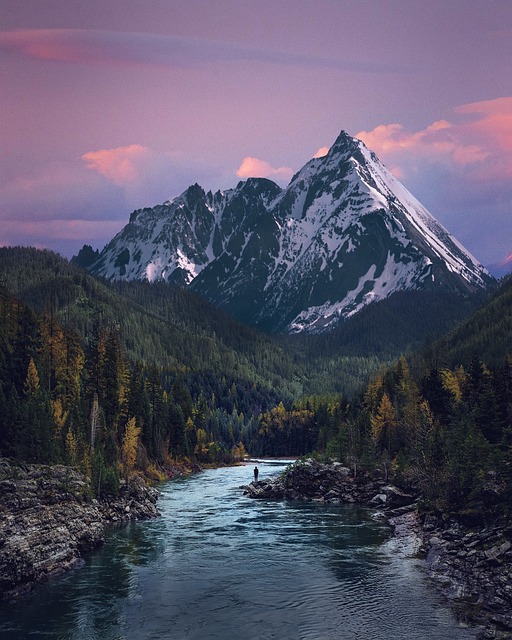
Panoramic mountain views have long been a sought-after feature in real estate, captivating buyers and investors alike with their inherent beauty and value. This allure transcends mere aesthetics; it offers a connection to nature that enriches living experiences. In scenic locations worldwide, properties boasting such vistas command premium prices, reflecting the desire for a unique blend of tranquility and grandeur. Real estate professionals recognize this as a significant selling point, often highlighting panoramic views in marketing materials to pique potential buyers’ interest.
The impact of these views extends beyond initial attraction. Research suggests that homes with mountain panoramas tend to have higher resale values and shorter selling times compared to similar properties without such amenities. This is attributed to the enduring appeal of natural landscapes and the sense of seclusion they impart. For instance, in ski resorts and mountain retreats, where panoramic views are abundant, real estate markets thrive due to the year-round demand for these tranquil getaways. Developers and investors recognize this dynamic, strategically positioning luxury residences with unobstructed views to capitalize on their market appeal.
To maximize the allure of panoramic mountain views in real estate, professionals should emphasize not just the visual spectacle but also the lifestyle it encompasses. This includes highlighting accessibility to outdoor activities like hiking, skiing, or simply enjoying the peace and quiet of natural surroundings. By weaving a narrative around the view—a story of breathtaking sunrises, stargazing nights, and scenic escapades—agents can create an emotional connection with potential buyers, elevating the property’s desirability and market position. Ultimately, understanding this aspect of real estate allows professionals to unlock the full potential of these extraordinary vistas, catering to a discerning clientele seeking more than just four walls—but a vista that embodies the essence of their desired lifestyle.
Desert Escapes: Charm and Market Trends

The desert, once perceived as a barren landscape, has evolved into a sought-after haven for those seeking unique real estate experiences. This transformation is characterized by a blend of natural beauty and modern amenities, creating a vibrant market with panoramic mountain views that captivate buyers. The appeal lies not only in the breathtaking scenery but also in the diverse offerings tailored to various lifestyles—from luxurious retreats to eco-friendly communities.
Real estate trends in desert escapes showcase an increasing demand for properties that seamlessly integrate with the surrounding environment. Buyers are drawn to sustainable designs, such as passive solar homes and green spaces that foster a connection with nature. Moreover, the market has seen a surge in demand for panoramic mountain views, which offer both aesthetic pleasure and practical benefits like improved air quality and enhanced privacy. According to recent studies, properties with unobstructed vistas can command premium prices, reflecting their high desirability.
Expert advisors recommend prioritizing location when exploring desert real estate. Areas known for their dramatic mountain ranges or unique geological formations often attract buyers seeking a combination of tranquility and accessibility. For instance, regions like the Southwest U.S. offer diverse ecosystems and year-round recreational opportunities, making them popular choices. When considering investments, it’s crucial to stay informed about local development plans and infrastructure upgrades, as these can significantly impact property values. Additionally, engaging with local real estate professionals who understand the nuances of desert markets is invaluable for making informed decisions.
Integrating Nature: Design Strategies for Real Estate Success

Integrating nature into real estate design is not merely an aesthetic choice; it’s a strategic move towards success in the industry. Panoramic mountain views and desert landscapes offer unique opportunities to blend architectural marvels with natural beauty, creating spaces that resonate deeply with buyers. Real estate naturally thrives when it respects and enhances its environment—a principle echoed by successful developers worldwide. For instance, a recent study revealed that properties with stunning outdoor vistas command higher prices and experience quicker sales, underscoring the market’s appetite for nature-infused living.
Expert designers employ several strategies to achieve this harmonious fusion. One approach involves incorporating large windows and glass walls to maximize natural light and views, blurring the lines between interior and exterior spaces. This design choice not only enhances aesthetics but also reduces the need for artificial lighting, contributing to energy efficiency. Additionally, using locally sourced materials and organic textures adds a sense of place and connects residents to their surroundings. For example, a desert-themed development in Arizona incorporated local sandstone and native plants, creating a community that feels both modern and deeply rooted in its arid landscape.
Practical advice for real estate professionals includes engaging interdisciplinary teams—architects, landscape architects, and environmental consultants—to ensure designs are both innovative and sustainable. Prioritizing open spaces, green roofs, and vertical gardens not only improves air quality but also provides opportunities for residents to connect with nature. By embracing these strategies, developers can create assets that stand out in the market, appeal to a wide range of buyers, and foster a deep sense of community—all while respecting and enhancing the natural world around them.