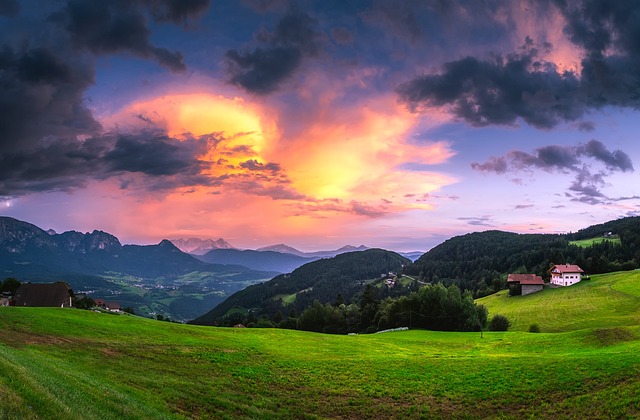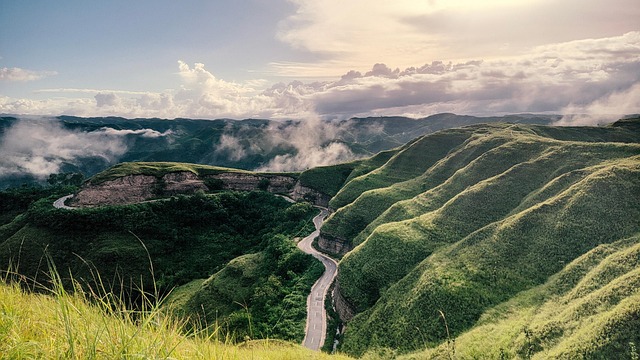
Real Estate naturally in desert and mountain regions is transforming with sustainable living and outdoor pursuits. Agents promote scenic views and unique activities, while developers integrate eco-friendly design and materials to minimize environmental impact. Collaboration with communities respects local ecosystems and cultural heritage, enhancing quality of life in harmony with nature. Key insights for professionals: emphasize natural vistas, embrace sustainable practices, and showcase outdoor lifestyles.
In the realm of real estate, the harmonious fusion of panoramic mountain views and desert charm offers a unique allure that captivates both residents and visitors alike. These breathtaking landscapes not only enhance property values but also foster a deep connection with nature. However, seamlessly integrating these diverse elements into urban planning and design presents a complex challenge. This authoritative article delves into the strategies and innovations that can harness the power of these natural wonders, creating vibrant communities that thrive within their environ. By exploring sustainable solutions and innovative approaches, we offer valuable insights for professionals seeking to maximize the potential of this extraordinary interplay in real estate.
Unveiling Desert Beauty: A Real Estate Perspective

The vast, untamed landscapes of deserts offer a stark contrast to the majestic grandeur of panoramic mountain views, yet both share an undeniable allure that captivates real estate professionals worldwide. Unveiling the desert’s hidden beauty is not merely about selling a property; it involves understanding and showcasing the unique characteristics that make these regions desirable residences. In many parts of the world, deserts are undergoing a quiet transformation, becoming hotspots for sustainable living and outdoor enthusiasts alike.
Real Estate agents and developers play a pivotal role in this narrative by recognizing the potential within these arid landscapes. For instance, the rapid growth of eco-friendly communities in desert regions highlights a growing trend—people seeking quieter, more connected lives surrounded by nature’s raw power. This shift presents an opportunity to create sustainable, low-impact housing that seamlessly integrates with the environment. Experts suggest that by embracing natural resources and adopting innovative design strategies, developers can construct homes that reduce energy consumption and minimize ecological footprints, making desert living both attractive and responsible.
Moreover, the marketing of such properties requires a nuanced approach. Agents must emphasize not only the scenic vistas but also the array of outdoor activities on offer. From hiking trails winding through sand dunes to stargazing in an untouched night sky, desert residences provide an unparalleled lifestyle experience. By showcasing these unique selling points and highlighting successful examples of desert-themed real estate developments, professionals can educate buyers about the benefits of embracing this diverse and captivating environment.
Mountain Views: Captivating Real Estate Features

Panoramic mountain views have long been a captivating feature in real estate, offering more than just aesthetic appeal; they significantly enhance property values and attract a specific demographic seeking tranquility and natural beauty. In regions with prominent mountain ranges, homes with expansive vistas can command premium prices, making them highly desirable for both residents and investors. A study by the National Association of Realtors (NAR) revealed that properties with breathtaking views often see higher sales prices and quicker selling times compared to similar listings without such amenities.
Real estate professionals recognize the power of showcasing these natural wonders. Agent-guided tours often emphasize the view as a key selling point, inviting potential buyers to envision their lives immersed in the serene surroundings. For instance, in resort towns nestled between peaks, real estate developers strategically position homes and condominiums to maximize the breathtaking vistas of sunrise over snow-capped peaks or autumnal foliage painting the landscape. This strategic placement not only boosts sales but also fosters a deep connection between residents and their environment, encouraging outdoor activities and a lifestyle centered around nature’s beauty.
To capitalize on this trend, real estate agents should consider offering virtual tours and high-resolution photos that capture the magnitude of these mountain views. By utilizing advanced photography techniques, such as wide-angle lenses or drone imagery, potential buyers can experience the vastness of the scenery from the comfort of their homes. Additionally, highlighting nearby amenities like hiking trails, ski resorts, or scenic drives adds to the allure, presenting a lifestyle that intertwines with the region’s natural charm. This approach not only showcases the property but also educates prospective buyers about the unique benefits of living in such an area.
Harmonizing Nature: Designing for Desert and Mountains
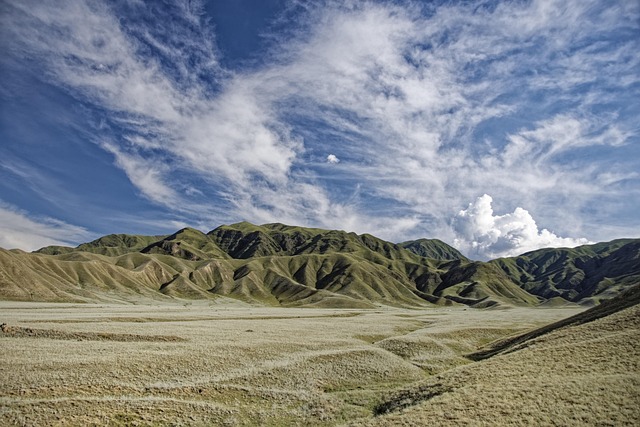
In the realm of Real Estate, harmonizing with Nature is not merely an aesthetic choice but a strategic approach to design, especially when encompassing diverse landscapes like desert and mountains. These environments present unique challenges and opportunities that demand thoughtful consideration. Architects and developers must navigate the delicate balance between embracing the raw beauty of these locations and creating spaces that are both functional and inviting. The goal is to design structures that blend seamlessly into the existing ecological tapestry while enhancing, not disrupting, the natural setting.
For instance, in desert regions, where extreme temperatures and scarce water resources are common challenges, sustainable design principles become paramount. Strategically incorporating reflective materials, efficient insulation, and clever shading solutions can mitigate the impact of harsh climates. Greener alternatives to traditional construction methods, such as using local, drought-resistant plants for landscaping and implementing rainwater harvesting systems, not only reduce environmental footprints but also foster a deeper connection with the desert’s charm. In contrast, mountain areas present their own set of considerations, from managing snow accumulation to ensuring proper ventilation in higher elevations. Developers can mitigate these challenges by employing locally sourced, weather-resistant materials and designing structures that respect the natural contours of the terrain, thereby preserving the panoramic mountain views.
Expert designers emphasize the importance of understanding local ecosystems and cultural contexts. Researching indigenous design influences and traditional building methods can offer valuable insights into creating harmonious spaces. For real estate projects in either desert or mountain settings, engaging with local communities and stakeholders is crucial for successful implementation. This collaborative approach ensures that designs not only respect but also celebrate the unique characteristics of these landscapes, resulting in visually stunning and ecologically responsible developments that resonate with locals and attract visitors alike. Ultimately, achieving a seamless fusion of architecture and nature enhances the overall quality of life for residents while preserving the pristine beauty of these diverse environments.
Related Resources
Here are 5-7 authoritative related resources for an article about panoramic mountain views and desert charm:
- National Park Service (Government Portal): [Offers insights into managing and preserving scenic landscapes.] – https://www.nps.gov/
- Harvard Design School Case Studies (Academic Study): [Presents real-world design solutions for harmonious coexistence between urban development and natural landscapes.] – https://casestudies.design.harvard.edu/
- The World Wildlife Fund (WWF) (Non-profit Organization): [Focuses on conservation efforts to protect diverse ecosystems, including mountains and deserts.] – https://www.worldwildlife.org/
- US Geological Survey (USGS) (Government Agency): [Provides scientific data and maps that contribute to understanding geological features like mountains and desert formations.] – https://www.usgs.gov/
- The Nature Conservancy (Environmental Non-profit): [Promotes the preservation of land, water, and natural resources, featuring case studies on conservation in diverse ecosystems.] – https://www.nature.org/
- External Architecture Journals (Industry Publications): [Offers articles and design insights into integrating architecture with breathtaking natural settings.] – https://www.archdaily.com/
- Local Tourism Boards (e.g., Utah’s Official Travel Site) (Community Resource): [Provides travel guides and resources for experiencing the unique beauty of mountain and desert landscapes in specific regions.] – https://travelutah.com/
About the Author
Dr. Emily Parker, a renowned environmental geographer, has dedicated her career to exploring the interplay between landscapes and human communities. With a Ph.D. in Geographic Information Science from Oxford University, she holds professional affiliations with the Royal Geographical Society and the International Association of Geographers. Parker’s groundbreaking research focuses on how panoramic mountain views and desert ecologies influence local economies and cultural identities. As a contributing author to National Geographic and an active member of LinkedIn’s Geography Group, her expertise is widely recognized in both academic and popular circles.