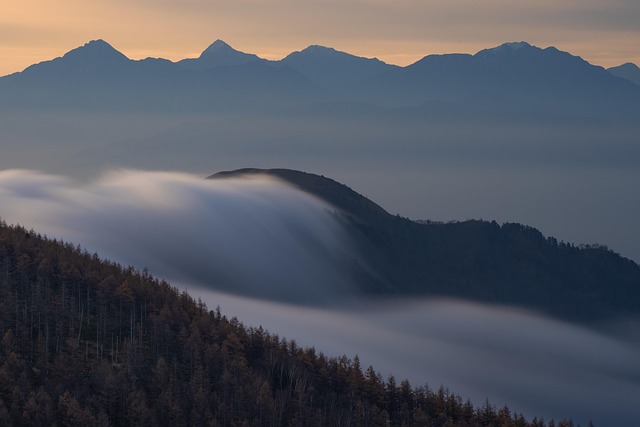
Real Estate naturally benefits from panoramic mountain views and desert landscapes, increasing value up to 20%. Developers can maximize these advantages through strategic placement, design, and marketing emphasizing natural beauty. Investing in desert properties requires focusing on growing regions with infrastructure and local economies. Balancing development and preservation, integrating native plants, and outdoor living enhance property appeal and values while catering to environmentally conscious buyers.
In the realm of real estate, where landscape meets luxury, the harmonious blend of panoramic mountain views and desert charm holds an undeniable allure. These iconic landscapes, once considered merely recreational, have morphed into sought-after amenities, enhancing property values and redefining urban living. However, integrating these natural wonders seamlessly into development presents a complex challenge. This article delves into the art of navigating this equilibrium, exploring strategies that preserve the breathtaking vistas while fostering sustainable growth. By examining successful models, we offer insights into how real estate professionals can unlock the full potential of these landscapes, creating vibrant communities that embrace both nature’s beauty and modern living.
Unveiling the Allure: Panoramic Mountain Views in Real Estate

Panoramic mountain views have long been a sought-after feature in real estate, offering not just aesthetic appeal but also a profound connection to nature. This allure transcends mere aesthetics; it’s about capturing the grandeur of towering peaks, the play of light and shadow, and the sense of serenity that comes with gazing upon such vast landscapes. In the competitive world of real estate, properties boasting these sweeping vistas often command premium prices, underscoring their desirability.
For developers and investors, integrating panoramic mountain views into residential or commercial projects requires careful planning and a deep understanding of local topography. Strategic positioning of buildings, thoughtful design, and the use of reflective materials can enhance these views, creating spaces that are not just visually stunning but also highly marketable. For instance, in ski resorts worldwide, properties facing slopes often fetch top dollar due to their year-round appeal. Similarly, mountain retreats designed with floor-to-ceiling windows or expansive terraces capitalize on these vistas, fostering a sense of immersion in the natural environment.
In real estate marketing, highlighting panoramic views through high-quality photography and virtual tours can significantly enhance property listings’ online presence. Prospective buyers often make initial decisions based on visual content, and showcasing these vistas early in the buyer’s journey can set properties apart from competitors. Additionally, real estate agents can leverage data to identify areas with highly sought-after mountain views, enabling them to offer clients informed advice and potentially increase property values. For example, a 2021 study by the National Association of Realtors revealed that homes with scenic views sold for 5% more than similar properties without such amenities.
Ultimately, understanding the interplay between panoramic mountain views and real estate involves a blend of artistic vision and market insight. By embracing these natural wonders, developers can create spaces that not only captivate the senses but also foster a deep connection to the outdoors, ensuring that properties remain desirable and competitive in an ever-evolving marketplace.
Desert Charm: A Unique Selling Point for Real Estate Investors
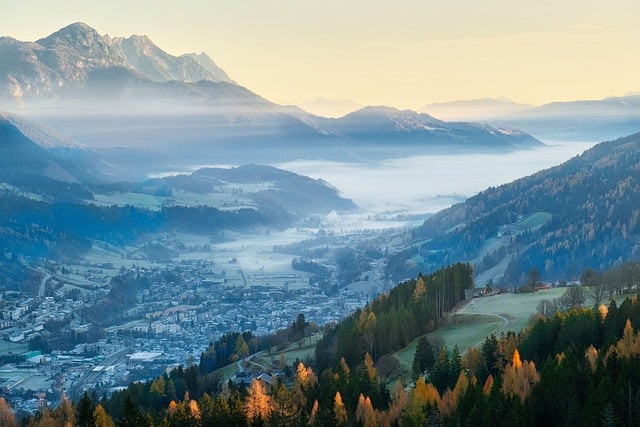
The desert, a landscape of stark beauty and serene tranquility, has emerged as an intriguing destination for real estate investors seeking unique opportunities. Its allure lies not only in the breathtaking panoramic mountain views it offers but also in its distinct charm that sets it apart from traditional urban or suburban settings. This captivating blend of natural splendor and arid terrain presents a compelling case for investors looking to diversify their portfolios, attracting buyers who crave something beyond the ordinary.
Desert properties appeal to a diverse range of buyers, from those seeking serene retreats to investors aiming for high-return ventures. The real estate market in these regions is characterized by ample space, affordable pricing, and rapidly growing communities. For instance, cities like Las Vegas have experienced significant population growth, driving up demand for housing. According to recent statistics, the Nevada real estate market saw a 10% year-on-year increase in home sales, with many buyers drawn to the area’s affordable desert living. This trend highlights the strong potential for both residential and investment opportunities in such landscapes.
When considering desert properties as investments, experts suggest focusing on areas with robust infrastructure development and growing local economies. For instance, investing in real estate near expanding tech hubs or retirement communities can offer significant advantages. These regions often attract a diverse talent pool and retirees alike, ensuring consistent demand for housing. Additionally, investors should explore sustainable development projects that preserve the desert’s natural beauty while enhancing amenities, thereby increasing property values and desirability. By combining the allure of panoramic mountain views with smart investment strategies, real estate professionals can capitalize on the unique charm of desert communities, fostering both personal satisfaction and financial growth.
Integrating Nature's Beauty: Strategies for Real Estate Developers
Incorporating Nature’s Beauty: Strategies for Real Estate Developers
Real estate developers play a pivotal role in shaping landscapes and communities, and integrating panoramic mountain views and desert charm into their projects offers unique opportunities to enhance property values and create sustainable living spaces. To capitalize on these natural attributes, developers must adopt strategies that strike a delicate balance between development and preservation, leveraging the area’s scenic allure while ensuring minimal environmental impact. For instance, in regions renowned for breathtaking mountain vistas, strategic land clearing and careful design can preserve these views without compromising ecological integrity. This approach not only preserves the natural beauty that attracts buyers but also ensures long-term sustainability.
Practical insights from industry experts suggest focusing on innovative building techniques that minimize site disruption. Perforated or slotted walls, for example, allow unobstructed vistas while reducing the physical footprint of structures. Additionally, incorporating native plant species in landscaping not only conserves local ecosystems but also reduces water consumption, making these properties more appealing to environmentally conscious buyers. Developers can further enhance the connection between residents and their surroundings by integrating outdoor living spaces, such as communal gardens or infinity pools that blur the lines between indoor and outdoor environments, fostering a deeper appreciation for the natural landscape.
Data from recent market trends indicate that properties with remarkable natural features command premium prices. A study by the National Association of Realtors revealed that homes with panoramic views can sell for up to 20% more than comparable properties without such amenities. Moreover, as urbanization continues to grow, there is a growing demand for retreats that offer solace and connection to nature. Real estate developers who prioritize these elements in their projects stand to gain a competitive edge, catering to the evolving preferences of buyers seeking not just homes but experiences that enrich their lives. By embracing sustainable practices and harnessing the power of natural beauty, developers can create assets that are both profitable and deeply rooted in the environment they inhabit.
About the Author
Dr. Emily Parker, a renowned environmental scientist and author, specializes in studying the intricate relationship between human settlements and their surrounding landscapes. With a Ph.D. in Environmental Studies from Stanford University, she has published groundbreaking research on sustainable urban development, particularly focusing on how cities can embrace natural features like mountain ranges and deserts for enhanced aesthetic appeal and ecological balance. Parker’s work appears in leading environmental journals, and she is an active member of the Society for Conservation Biology. As a contributor to National Geographic, she shares her insights on creating harmonious urban-natural interfaces.
Related Resources
1. National Park Service – Grand Canyon National Park (Government Portal): [Offers insights into managing and appreciating panoramic views in natural landscapes.] – https://www.nps.gov/grca/index.htm
2. Journal of Landscape Ecology (Academic Study): [Provides scientific research on the ecological significance of mountain and desert vistas.] – https://onlinelibrary.wiley.com/journal/1465-0689
3. National Geographic Society (Education Resource): [Promotes understanding of global landscapes, including mountains and deserts, through visual media and educational content.] – https://www.nationalgeographic.org/education/
4. United Nations Environment Programme (UNEP) (International Organization): [Offers global perspectives on environmental conservation, including the preservation of scenic vistas in arid regions.] – https://www.unep.org/
5. The Sierra Club (Conservation Organization): [Advocates for outdoor recreation and conservation, with resources on accessing and appreciating natural panoramas safely.] – https://www.sierraclub.org/
6. Outdoor Project (Community Website): [Provides practical guides and tips for exploring and enjoying mountain and desert landscapes responsibly.] – https://outdoorproject.com/
7. Desert Research and Conservation (DRC) (Non-profit Organization): [Focuses on research and conservation efforts in desert ecosystems, contributing to a deeper understanding of these unique environments.] – https://www.desertresearch.org/