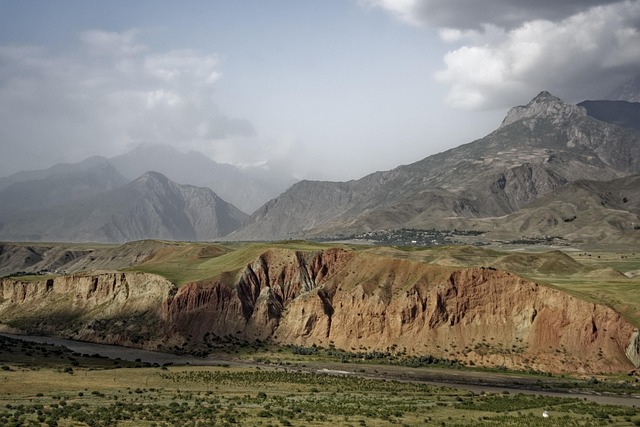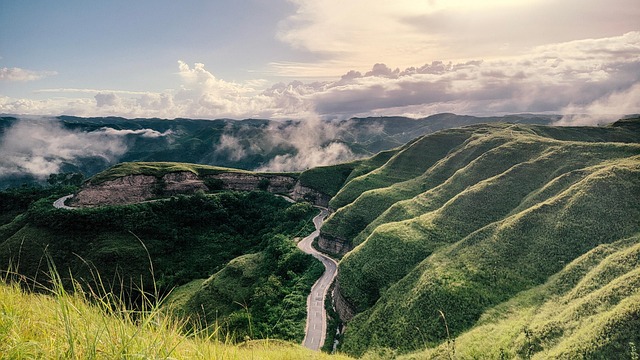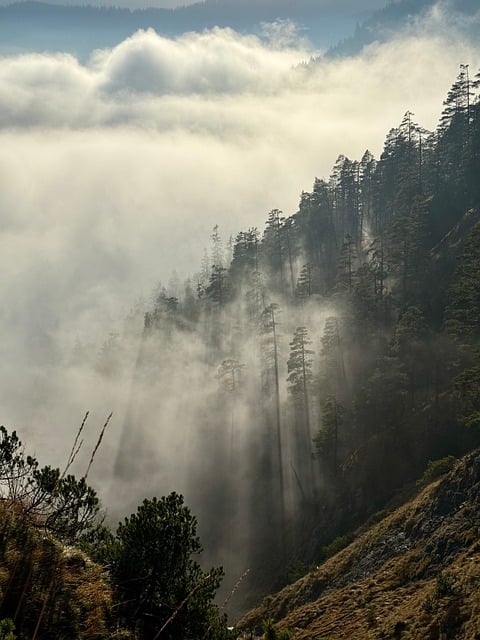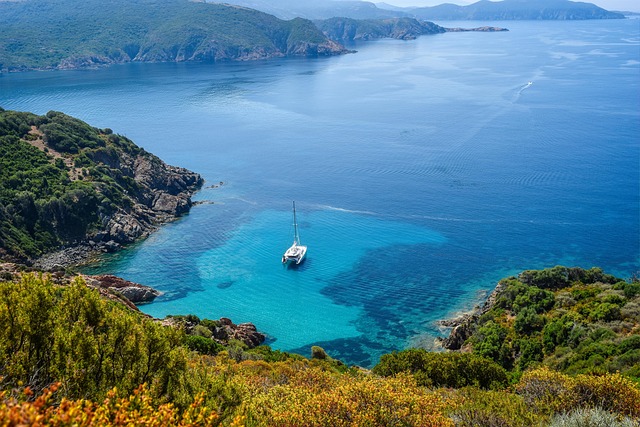
Real Estate with panoramic mountain views or desert landscapes offers significant appeal due to their connection to nature, stress relief, and outdoor recreation opportunities. These properties command premium prices, driving developers to incorporate such vistas into modern retreats. When purchasing, buyers should consider location, amenities, climate, and seasonal variations for a desired lifestyle. Integrating natural landscapes in urban real estate strategies enhances property values and caters to the demand for sustainable, aesthetically pleasing living spaces. Developers can differentiate their projects by embracing these natural features, creating vibrant, holistic communities.
In the realm of real estate, where every location holds unique allure, the fusion of panoramic mountain views and desert charm presents a captivating conundrum. This harmonious blend of nature’s extremes has long been sought after by connoisseurs of exquisite landscapes, yet integrating these elements into livable spaces remains a challenge. The allure lies in the ability to cultivate vibrant communities that embrace both serenity and rugged beauty, seamlessly merging modern living with untamed wilderness. This article delves into the strategies and innovations that are revolutionizing desert-mountain real estate, promising transformative experiences for residents eager to embrace this rare and remarkable landscape.
Discovering the Allure of Panoramic Mountain Views in Real Estate

Panoramic mountain views have long been a sought-after feature in real estate, capturing the imaginations of buyers and investors alike. This allure extends beyond aesthetics; it represents a connection to nature, an escape from urban bustle, and a potential for serene, high-quality living. In scenic locations worldwide, properties offering breathtaking vistas command premium prices, highlighting their market value and desirability. For instance, according to recent real estate trends, homes with panoramic mountain views in areas like Aspen, Colorado, can sell for upwards of $10 million, underscoring the significant impact such views have on property values.
The appeal of these views is multifaceted. Real estate professionals often cite the psychological benefits, suggesting that gazing upon majestic peaks or vast desert landscapes fosters a sense of tranquility and reduces stress levels. Moreover, these vistas provide endless opportunities for outdoor recreation, from hiking trails winding through mountain ranges to exploring arid deserts on four-wheelers or horseback. This connection to nature not only enriches lifestyles but also aligns with growing trends in wellness tourism and outdoor living. Real estate developers are increasingly recognizing this demand, incorporating panoramic views into their design strategies to create sought-after, modern retreats.
When considering purchases with panoramic mountain views, practical insights are crucial. Location is paramount; proximity to amenities while maintaining privacy is ideal. Additionally, understanding the climate and potential challenges like snow removal in mountainous areas or water conservation in desert regions is essential for long-term enjoyment and property maintenance. Experts recommend visiting potential properties at different times of year to gauge light, temperature, and accessibility. By weighing these factors, buyers can make informed decisions that ensure their desired lifestyle is matched with the allure of panoramic mountain views in real estate.
Desert Charm: A Unique Selling Point for Real Estate Properties
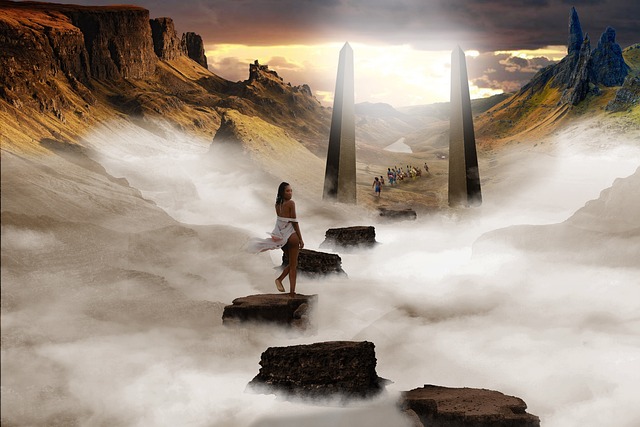
The desert, often perceived as a barren landscape, has emerged as an unexpectedly captivating setting for real estate properties. Its unique charm—a stark contrast to panoramic mountain views—is transforming how we envision luxurious living. This trend is particularly evident in regions where arid landscapes are being reimagined as premium destinations. For instance, the California desert has seen a surge in high-end retreats and residences, with prices reflecting their scenic allure. According to recent real estate reports, properties offering desert vistas have experienced significant value growth compared to those in more traditionally desirable locations.
The appeal lies not only in the breathtaking scenery but also in the sense of tranquility it offers. Desert environments provide a serene escape from bustling city life, attracting individuals seeking a closer connection with nature. This shift towards desert-charm real estate is not merely a trend; it reflects a broader desire for sustainable and unique living spaces. Developers are now incorporating indigenous architecture and design elements to enhance the overall experience. For example, the use of local materials and open-concept living areas that blend indoor and outdoor spaces has become a hallmark of these properties.
In terms of marketing and branding, showcasing the desert’s allure is crucial for attracting buyers and investors. Real estate agents should emphasize not just the panoramic views but also the lifestyle benefits. This could involve highlighting activities like stargazing, hiking, or even golf in nearby courses, all while enjoying the exquisite scenery. By presenting a holistic picture of desert living, potential owners can appreciate the value beyond the scenic beauty—a unique blend of relaxation and excitement that sets these properties apart in the competitive real estate market.
Integrating Natural Landscapes into Urban Real Estate Strategies

Integrating Natural Landscapes into Urban Real Estate Strategies is a game-changer in contemporary development. The demand for real estate that seamlessly blends with its natural surroundings has surged, driven by a growing awareness of environmental sustainability and a desire for enhanced quality of life. Panoramic mountain views and desert charm, for instance, offer not just aesthetic appeal but also significant economic benefits. Developers who embrace these elements can create spaces that attract buyers seeking an escape from urban congestion, fostering a deeper connection to the environment.
This integration requires careful planning and expert insights. For example, in regions with breathtaking mountain vistas, designing buildings that complement the terrain rather than disrupt it can significantly enhance property values. Implementing green infrastructure, such as rooftop gardens and vertical vegetation, not only reduces the urban heat island effect but also provides a natural buffer against extreme weather events. Moreover, leveraging advanced construction techniques allows for the creation of sustainable spaces that preserve the panoramic views while ensuring energy efficiency and minimal environmental impact.
Real Estate naturally thrives on unique selling points, and integrating natural landscapes can be just that. Market data indicates that properties with exceptional outdoor vistas command premium prices, with buyers willing to pay a significant premium for the privilege of enjoying these scenic views daily. For developers, this presents an opportunity to differentiate their projects and cater to a growing market segment seeking holistic living environments. Actionable advice includes conducting thorough environmental assessments, collaborating with landscape architects, and adopting innovative building practices that respect and enhance the natural terrain. Ultimately, by embracing panoramic mountain views and desert charm in urban real estate strategies, developers can create vibrant, sustainable communities that harmoniously coexist with their surroundings.