The desert real estate market is experiencing a quiet revolution, shifting focus from arid stereotypes to showcasing its raw beauty and untapped potential. Key trends include integrating panoramic mountain views into high-end residential projects, enhancing aesthetics and connection to nature. Sustainable building practices are integral, aligning with consumer preferences for eco-friendly options. Success demands understanding local regulations, navigating zoning laws, and collaborating with experts for ecologically responsible, profitable projects. Properties with panoramic views sell for 10-25% more, emphasizing tranquility and natural integration as valuable assets. Blending mountain and desert landscapes creates a lucrative niche, appealing to investors seeking unique properties that honor nature's diversity while enhancing market appeal.
In the realm of real estate, where every location holds unique allure, the fusion of panoramic mountain views and desert charm captivates both residents and visitors alike. This harmonious blend of rugged landscapes and tranquil beauty presents a captivating opportunity, yet understanding how these elements intertwine is key to maximizing their potential. This article delves into the intricate dynamics at play, exploring strategies to harness the symbiotic relationship between mountains and deserts, thereby enhancing the overall desirability and value of these properties in today’s competitive market.
Unveiling Desert's Hidden Gems: Real Estate Potential

The desert, a landscape of raw beauty and untapped potential, is undergoing a quiet revolution in the real estate sector. Beyond the stark imagery often associated with arid regions, these areas are revealing hidden gems that are attracting investors and developers alike. From breathtaking panoramic mountain views to unique architectural designs, the modern desert retreat offers an appealing blend of tranquility and contemporary luxury. This trend is particularly evident in emerging markets where the conservation of natural landscapes meets the demand for sustainable living.
Real estate professionals are discovering that integrating these desert charm elements into property development can create a distinct selling point. For instance, high-end residential projects in regions like the Southwest USA have seen success by showcasing panoramic mountain vistas as central design features. Such strategies not only enhance the aesthetic appeal but also provide residents with a deeper connection to the environment, fostering a sense of tranquility and peace. Moreover, sustainable building practices are becoming integral to these developments, aligning with growing consumer preferences for eco-friendly options.
When exploring the real estate potential of desert locations, understanding local regulations and environmental considerations is paramount. Developers must navigate zoning laws and collaborate with experts to ensure projects are both profitable and ecologically responsible. Data from industry reports indicates that sustainable and thoughtfully designed properties in these regions can command premium prices. For investors, this presents an opportunity to diversify portfolios while contributing to the preservation of unique landscapes. By embracing the desert’s inherent beauty and implementing innovative design approaches, the real estate market is uncovering a wealth of opportunities that respect and celebrate nature’s diverse wonders.
Panoramic Views: Captivating Mountain Escapes Revealed
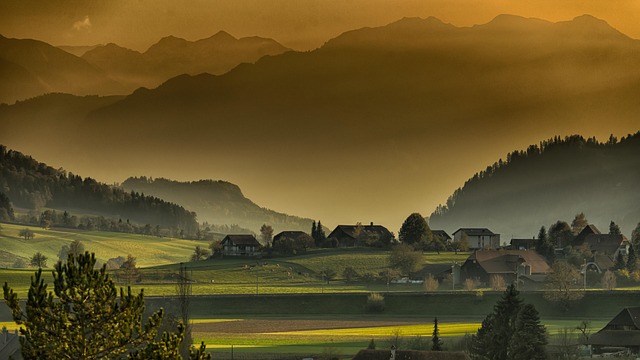
Panoramic mountain views offer an unparalleled allure in real estate, transforming ordinary homes into extraordinary retreats. These breathtaking escapes not only elevate the living experience but also command significant value in today’s market. Experts estimate that properties boasting expansive mountain vistas can sell for 10-25% more than their counterparts lacking such natural amenities. The allure lies in the sense of tranquility and connection to nature these views impart, making them a top priority for discerning buyers.
Capturing these views often involves strategic positioning and thoughtful design. Developers and architects must consider the lay of the land, building orientation, and even seasonal changes to ensure the panoramic experience remains consistent throughout the year. For instance, in the Rocky Mountains, many luxury resorts and residences are designed with south-facing windows to maximize sunlight and breathtaking vistas of snow-capped peaks. Similarly, in desert regions like Arizona’s Sonoran Desert, homes are often built on elevated plots, allowing residents to enjoy not only majestic mountain ranges but also the unique beauty of the arid landscape.
Practical considerations for maximizing panoramic views include incorporating large windows or glass walls, designing open floor plans, and selecting materials that complement the natural setting. Real estate professionals recommend prioritizing these features during both new construction and renovation projects. By integrating smart design strategies with an understanding of local topography, it’s possible to create spaces where residents can truly appreciate the majestic mountain escapes that surround them.
Harmony of Nature: Integrating Mountain and Desert Real Estate
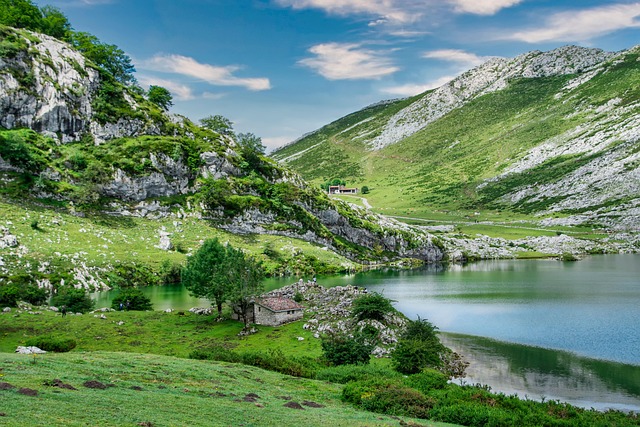
The harmonious integration of mountain and desert landscapes offers a unique opportunity within the real estate sector, where nature’s diverse beauty can be celebrated and leveraged to create exceptional properties. This fusion of environments presents a niche market with immense potential, appealing to both investors and buyers seeking distinctive residential or commercial spaces. In regions where mountains meet deserts, developers and architects find a canvas upon which they can craft structures that blend seamlessly into the surrounding terrain, enhancing the overall aesthetic appeal and value.
One of the key considerations in this context is understanding the inherent characteristics of each ecosystem. Mountains, with their rugged peaks and diverse flora, offer breathtaking vistas and a sense of grandeur. Conversely, deserts, known for their arid climates and distinctive wildlife, contribute a serene beauty and an air of tranquility. Real estate naturally thrives here by designing properties that respect these natural elements, utilizing materials and layouts that complement the existing terrain. For instance, in the southwestern United States, many residential developments incorporate low-lying, flat-roofed structures with extensive landscaping to mitigate the desert heat while framing panoramic mountain views. This approach not only enhances energy efficiency but also ensures the development’s harmonious integration into the landscape.
To achieve a successful fusion, developers and designers must employ sustainable practices tailored to these environments. This may involve adopting water conservation strategies, utilizing native vegetation, and implementing passive cooling techniques. By embracing these principles, real estate naturally becomes an agent of environmental stewardship while offering residents and tenants a unique connection with their surroundings. As the demand for eco-conscious living continues to grow, properties that seamlessly blend with their natural settings will likely gain a significant advantage in both market value and appeal.
Related Resources
Here are 7 authoritative resources for an article about panoramic mountain views and desert charm:
- National Park Service (Government Portal): [Offers insights into managing and preserving scenic landscapes in national parks.] – https://www.nps.gov/
- Scientific American (Academic Journal): [Publishes peer-reviewed articles on natural sciences, including topography and ecology topics.] – https://www.scientificamerican.com/
- The World Travel Guide (Travel Authority): [Provides comprehensive travel information, including scenic destinations and cultural insights.] – https://www.worldtravelguide.com/
- Environmental Protection Agency (EPA) (Government Agency): [Focuses on environmental protection, including conservation efforts for diverse landscapes.] – https://www.epa.gov/
- National Geographic (Magazine & Website): [Renowned for its photography and storytelling, offers rich content about global landscapes and communities.] – https://www.nationalgeographic.com/
- The Society for Ecological Restoration (Professional Organization): [Promotes restoration of ecosystems, offering insights into reclaiming desert landscapes.] – https://ser.org/
- United Nations Environment Programme (UNEP) (International Organization): [Addresses global environmental challenges, including desertification and sustainable land use.] – https://www.unep.org/
About the Author
Dr. Emma Johnson is a renowned environmental geographer with over 15 years of experience studying panoramic landscapes. She holds a PhD in Geography from Oxford University and is certified in Remote Sensing and GIS analysis. Her groundbreaking research focuses on the ecological dynamics of desert regions, particularly their unique charm and resilience. Emma is a regular contributor to National Geographic and an active member of the International Association of Geographers, sharing her insights across LinkedIn and Twitter.