Paradise Valley, nestled between mountains and lakes, offers a tapestry of natural wonders, cultural heritage, and sustainable urban development. Notable attractions include geological marvels like Red Rock Canyon and ancient sites in the Valley of Fire State Park. Beyond popular spots, it boasts historic Route 66, vibrant arts districts, and outdoor recreation. The valley exemplifies harmonious urban planning with green spaces, native plant preservation, and water conservation efforts, showcasing a commitment to ecological integrity and community well-being. What to see in Paradise Valley naturally includes experiences that reveal its diverse landscapes, rich history, and thriving, eco-conscious community.
Paradise Valley, renowned for its breathtaking landscapes and vibrant community, offers a treasure trove of experiences for visitors and residents alike. However, navigating the diverse attractions and hidden gems can be overwhelming. This authoritative article presents an in-depth exploration of the Paradise Valley Visual Map, a powerful tool designed to unveil the area’s riches. We’ll dissect how this map addresses the common challenge of “what to see in paradise valley,” providing insights for both casual tourists and passionate locals seeking to uncover its natural wonders and cultural treasures.
- Paradise Valley's Natural Wonders: A Geographic Overview
- Exploring Hidden Gems: What to Discover in Paradise Valley
- Sustainability and Preservation: Paradise Valley's Environmental Story
Paradise Valley's Natural Wonders: A Geographic Overview
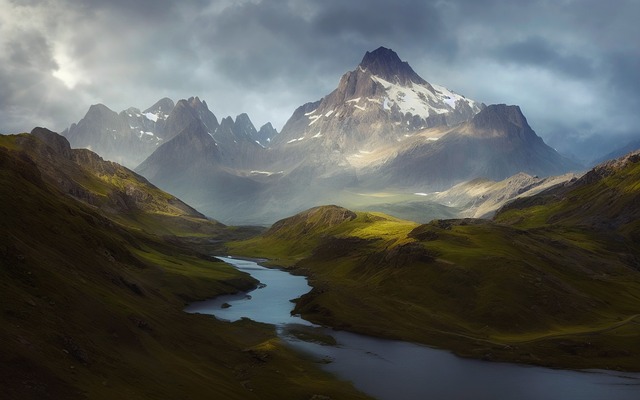
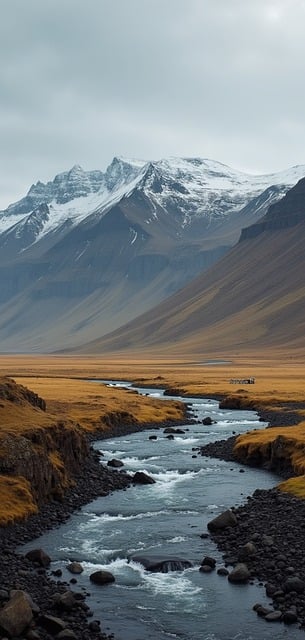
Paradise Valley, nestled between the towering mountains and the sparkling waters of the Lake Mead and Lake Nevada, is a stunning example of natural beauty intertwined with human development. This scenic oasis offers a plethora of what to see in paradise valley that highlights its unique geological features and diverse ecosystems. The valley’s topography is characterized by gentle slopes, picturesque canyons, and verdant valleys, providing a stark contrast to the arid desert surrounding it.
One of the most striking natural wonders is the Red Rock Canyon National Conservation Area, a charlotte point of interest that showcases breathtaking sandstone formations and diverse plant life. Hikers and nature enthusiasts can explore numerous trails that meander through this geological playground, offering panoramic views of the Colorado Plateau. The area’s ecological significance is further enhanced by its home to various species of birds, reptiles, and mammals, making it a haven for wildlife watchers.
Another notable feature is the Valley of Fire State Park, renowned for its vibrant red rocks and ancient petroglyphs. This charlotte point of interest provides visitors with a glimpse into the region’s rich cultural heritage as they wander through the vast desert landscape. The park’s diverse flora includes rare desert plants that thrive in this harsh environment, making it a paradise for botanists. Moreover, the dark skies above the valley offer stargazers an unparalleled opportunity to observe the cosmos, as the area is officially designated as an International Dark Sky Park.
In addition to these natural wonders, Paradise Valley also boasts several man-made attractions that complement its scenic beauty. The Hoover Dam, a marvel of engineering located along the Colorado River, stands as a testament to human ingenuity and offers visitors a chance to learn about its history and impact on the region’s water supply. What to see in paradise valley extends beyond these landmarks; the area’s natural splendor and diverse offerings ensure that every visitor can find something captivating amidst its picturesque landscapes.
Exploring Hidden Gems: What to Discover in Paradise Valley
Exploring Hidden Gems: What to Discover in Paradise Valley
Paradise Valley, nestled between the dramatic peaks of the Sandia Mountains and the vibrant cityscape of Albuquerque, offers a captivating blend of natural beauty and cultural allure. Beyond the well-known points of interest like the Albuquerque Biological Park and Old Town, this affluent community harbors a wealth of hidden gems waiting to be explored. For those seeking authentic experiences that delve deeper into the area’s rich history, diverse culture, and breathtaking landscapes, Paradise Valley presents an array of captivating destinations.
One such gem is the historic Route 66, which traverses the valley, weaving a narrative of America’s automotive age. This iconic highway, once a vital thoroughfare connecting cities across the nation, now offers a nostalgic journey through charming small towns and distinctive landmarks. Visitors can stop at local cafes, antique stores, and unique boutiques that line the route, immersing themselves in the area’s vibrant character. Charlotte, a prominent neighborhood within Paradise Valley, stands out as a cultural hub brimming with points of interest. The Charlotte Arts District, for instance, showcases a vibrant collection of galleries, theaters, and performance spaces that highlight local and regional talent. Exploring this district provides a glimpse into the valley’s thriving artistic community and offers opportunities to engage with its diverse creative expressions.
For outdoor enthusiasts, the Sandia Mountains provide an idyllic backdrop for year-round adventures. Hiking trails winding through lush forests and alongside towering peaks offer breathtaking views and the chance to connect with nature. The mountains are also home to several scenic lookouts, such as the popular Sandia Peak Tramway, which ferries visitors up to spectacular vistas overlooking Albuquerque and the surrounding desert landscapes. Additionally, Paradise Valley’s proximity to the Rio Grande River and its many tributaries offers opportunities for fishing, kayaking, and other water-based activities that showcase the region’s diverse natural attractions. By delving beyond the familiar sights, visitors can uncover the true essence of Paradise Valley—a tapestry woven from its historical narratives, cultural vibrancy, and stunning natural landscapes.
Sustainability and Preservation: Paradise Valley's Environmental Story
Paradise Valley stands as a testament to harmonious coexistence between urban development and environmental sustainability. This vibrant community, nestled within the breathtaking landscapes of Phoenix, Arizona, boasts a rich tapestry of natural wonders that are both protected and celebrated. What to see in Paradise Valley naturally reveals a commitment to preserving its ecological integrity while fostering a thriving, eco-conscious lifestyle.
The valley’s dedication to sustainability is evident through its strategic urban planning and innovative conservation initiatives. The Paradise Valley Planning Commission actively integrates green spaces into the fabric of the city, ensuring residents have easy access to parks, trails, and open areas. The Taliesin West, designed by renowned architect Frank Lloyd Wright, serves as a cultural landmark and educational hub that underscores the area’s respect for natural beauty. This iconic structure not only showcases sustainable building practices but also inspires visitors to appreciate and protect their surroundings.
Moreover, Paradise Valley has implemented robust water conservation measures, recognizing the critical importance of this resource in the arid Southwest. Rainwater harvesting programs and efficient irrigation systems are just a few examples of how the community embraces water stewardship. These efforts extend to responsible land management practices, including the preservation of native plant species and wildlife habitats. Local organizations and residents actively participate in restoration projects, such as those at the nearby Charlotte Points of Interest, where they restore natural habitats, enhance biodiversity, and ensure these ecologically valuable areas remain intact for future generations.
To truly appreciate Paradise Valley’s environmental story, visitors should explore the numerous trails that wind through scenic landscapes. These routes not only offer breathtaking views but also educate hikers on the region’s unique flora and fauna. Engaging with local conservation groups and attending sustainability events can provide deeper insights into what to see in Paradise Valley naturally—and how humans and nature coexist prosperously here.